Handwriting

How We Write

 handwriting photo

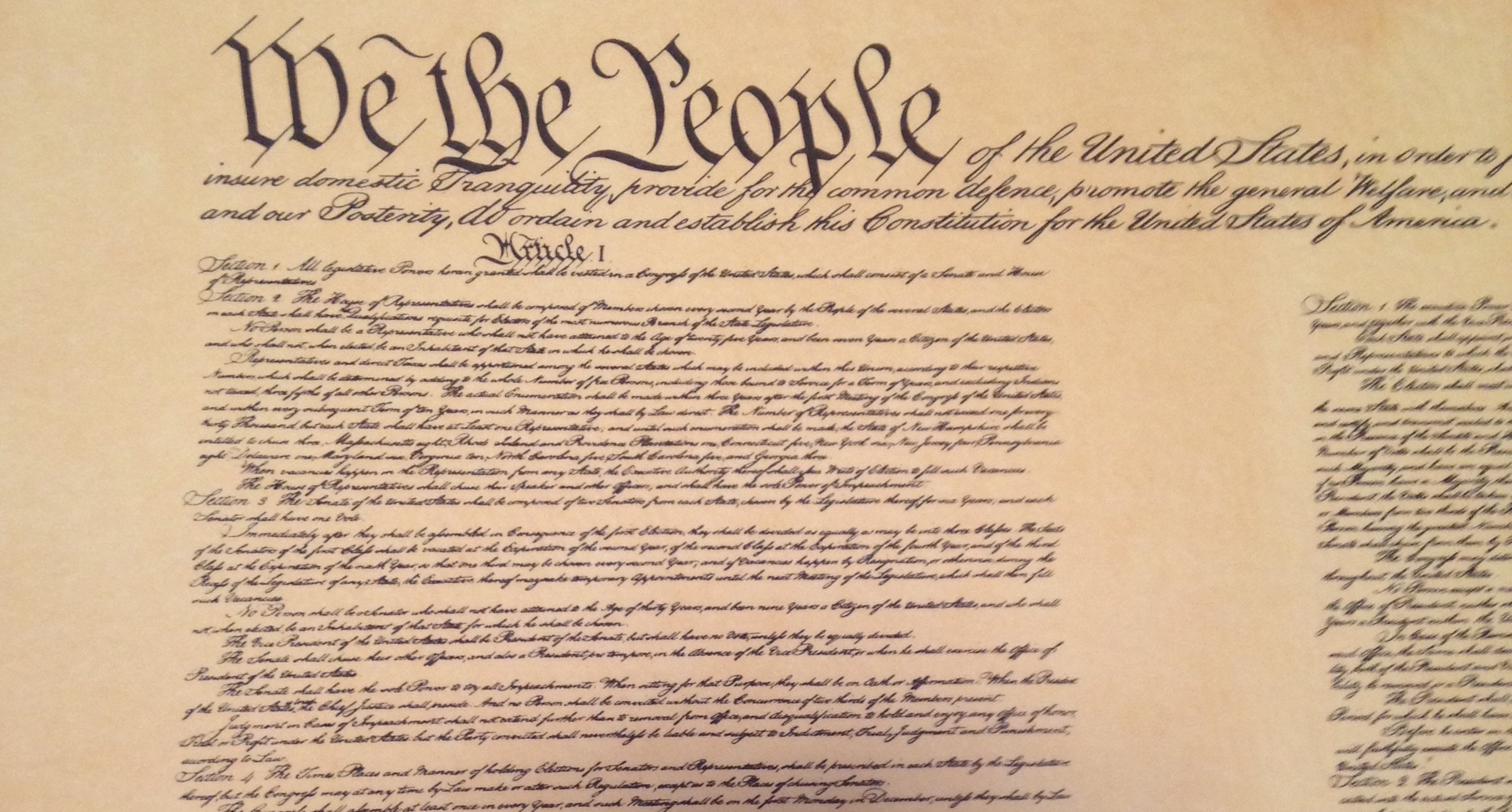
We Write – For the past few nights, we’ve begun STORIES AND STUDIES with handwriting practice.  There were years and years when my son could not manipulate a pencil of any size.  Even now, he cannot write independently, but the photo shows our progress.  On the left side of the page, I held the pen and my son grasped my fingers and pushed the pen around. On the right side of the page, my son held the pen and I supported his wrist.  I am thrilled that the words are finally legible. One thing that helps, is giving my son a rectangle to write into.  Without the rectangle outline, a single word scrawl can take up half of the page. BTW, what we have here are the states that we have lived in.

space books

We Read – After handwriting, we moved on to an exceptional A++++ book about the universe: “Professor Astro Cat’s Frontiers of Space” by Dr. Dominic Walliman and Ben Newman.  Last night we learned about the construction of the space suits that Buzz Aldrin and Neil Armstrong wore for man’s first walk on the moon.  This book is comprehensively researched, utterly interesting, and graphically outstanding. We purchased it from the Boeing Store, which was kind of neat, too.  It is a worthy companion to a book we read a few months ago, “MOONSHOT” by Brian Floca.  Extraordinary.  These are both informative, elegant books for everybody. Absolutely NOT just for children.

Le Fictitious Local Diner Story Problem – Last night’s question revolved around the annual cost of catsup for the diner. We started out with an insultingly easy trick question: If the diner goes through 7 giant bottles of catsup every week, how many bottles does the diner go through in a year?

Farmer Brown’s Story Problem – Farmer Brown wants to gussy up his front porch before all the relatives arrive for Thanksgiving, so he is going to order new rocking chairs for the porch. Wicker chairs run $200 and oak rocking chairs run $450. He has decided on 2 of each. Don’t start adding up the total yet. The wicker chairs need tie-on cushions at $35 each. And then there is 10% tax. Now, how much will Farmer Brown spend on the new rocking chairs?

Our Sunday Night Music – We listen to church-type music every Sunday night.  Last night’s selections:

  • “How Great Thou Art” – we love the comforting and humbling version by Alan Jackson.
  • “Turn! Turn! Turn!” – by The Byrds: a nod toward Ecclesiastes and a nod toward the late 1960’s.  Timeless.
  • “Let Us Cheer The Weary Traveler” – by Nathaniel Dett and sung by the Nathaniel Dett Chorale. Nathaniel Dett, a Canadian, was composing at the turn of the 20th  century.  His works are described as combining the style of European Romantic music (essentially meaning classical music of the 1800’s) with American Spirituals. This piece is one of our favorites. (Regarding the youtube link:  the real chorus begins about 30 seconds into the video.)

Welcome to the best part of my day!

– Jane BH

Bringing Handwriting Up to Scratch

Our STORIES AND STUDIES session from last night – same novels, same amphibian unit. Not much new to report, but I have been meaning to mention something cool we have been using for handwriting practice:

Rainbow Mini Scratch Art Notes!

rainbow cards

If you had a decent elementary school art experience, you must have spent some time with “scratch art”.  Remember crayoning colors with a vengeance onto paper and then covering the color-filled page with India ink?   After everything dried, you used a pin to scratch into the ink any sort of design, and lo and behold, there was your drawing in a random rainbow of colors, too splendid for words.

Well, hey!  There is now a company that makes scratch art cards!  We get all the fun of scratching into the cards without any of the India ink mess.  I’ve found the product in upscale toy stores, and I’ve found it on Amazon.  Each card is about the size of sticky note, and a box includes 125 cards and wooden scratching tool. We have been using rainbow scratch cards for lettering practice, and now handwriting drills have been taken to an entirely new level. No matter what you write, or how you write, you want to keep writing, because watching each color reveal itself is curiously fascinating.

Last night’s classical music theme: Surprise Endings!

  • “The Wild Bears” from Sir Edward Elgar’s nursery suite, “The Wand of Youth”.  This is one of our top ten favorite pieces and we listen to it often. A rollicking three minutes, it makes us think of a great family game of hide and seek.  Smashing ending.
  • “The Moldau” by Bedrich Smetana. This exquisite piece brings to life a river in Smetana’s native Bohemia.  The final minute is so beautiful and descriptive, and the abrupt ending is perfection.
  • “The Imperial March” by John Williams…you know, the Darth Vader theme.  Seriously imaginative composition with an in-your-face ending.

Welcome to the best part of my day!

– Jane BH

In which we explain our “Stories and Studies” nightly agenda

We Write – this takes so many different forms. Sometimes I ask my son about something we learned the night before. Sometimes I set up math problems. Sometimes I ask him about somebody in the family. Sometimes I ask him how he is feeling. Sometimes he selects our classical music program for the evening. Sometimes we practice handwriting. We work with pen and paper and we also use a wonderful app on our iPad.  This is the time slot where I have taught him how to take a true/false test, a multiple-choice test, a matching test.

We Learn New Things – we set aside the desk top and open the books.  We usually have two academic subjects going on. Each academic unit lasts about two weeks.  We supplement the books with our iPad and a big globe

We Read Novels – we usually have two novels going. I read aloud. If the book doesn’t hold our attention, we stop reading it.   If we love the book, we may let a year go by and then we enjoy it again.

We Read Poems –  well, this is pretty self explanatory.

We Listen to Music – most of our study units last about 2 weeks, and this is what I thought would happen with our classical music unit. But this subject has proved so interesting that we have been on it for almost 3 years.

Background story – I had purchased a booklet that included posters of 16 classical composers. By day two, it occurred to me that it was ridiculous to read about composers without listening to their music, so I learned how to research music, purchase it, download it into an iTunes file, and then transfer it to my iPod. We have now listened to just under 500 compositions.

We listen to three compositions every night, and every night of the week has a music theme: composer spotlight, dance and march music, virtuoso night, etc. We might have a theme night, like “clocks” and then listen to music of different classical periods that have titles that refer to clocks (Haydn’s “The Clock” Symphony, Bizet’s “Carillon” from L’Arlesienne, LeRoy Anderson’s “Syncopated Clock”).  Here is what we don’t do:  listen to music in chronological order.  What is the fun in that?

Welcome to the best part of my day!

– Jane BH

In which we introduce ourselves

I am a mom. My son is 23 and he has autism. He is non-verbal. This blog is about our learning-at-home program.

 About 8 years ago, while working with an experienced educational consultant, I was asked, “what facts does your son know?” Seriously? I couldn’t think of any facts that he might know. Every night I read little Disney books to him and nursery rhymes, but facts? I didn’t think my son was either interested in facts or capable of understanding facts. The stunned look on my face provoked the consultant to say, “Your son wants to know facts!  Here, read aloud the first two paragraphs of this!”.  She handed me an old science textbook, and turned to a page on dinosaurs. I took a look, gulped, and thought, “well now she will see – here comes an epic fail”.

 Here is what happened: My son and I sat next to each other as I began to read the dry material.  Within seconds, my son was glued to my side, pouring over the page, drinking in the information.  Two paragraphs were not enough for him, I had to read more and more, and the implication was sobering – I had been depriving a curious mind. My son wanted to learn facts!  This was our start.

 What this had evolved into:  every night, my son and I set up our STORIES AND STUDIES center on his big bed. We have comfortable back supporting pillows and we place a sleek, portable desktop over his legs and we get to work. The first thing that happens is that he squeals with delight for about 3 minutes, and then we are off!

 Our nightly plan –

  • we write
  • we learn new things
  • we read novels
  • we read poems
  • we listen to music (mostly classical)

 Welcome to the best part of my day!

– Jane BH